

Thread Lift or HIFU: Which One Is Actually Right for You?
Australia’s #1 HIFU Treatment Provider and Global HIFU Trainer | 30,000+ clients treated
Is HIFU or a thread lift better in 2026?
The short answer: For most people, HIFU is the better choice in 2026 – it’s non-invasive, requires zero downtime, carries no surgical risk, and delivers results that last 12-18 months. Thread lifts offer an immediate mechanical lift that can be more dramatic for significant tissue descent, but they involve needles, a recovery period of 3-7 days, and a higher risk of complications. The right choice depends on how much laxity you have and how much downtime you’re willing to accept.
If you’ve been researching non-surgical facelifts in 2026, you’ve almost certainly come across both HIFU and thread lifts. Both are pitched as alternatives to surgery. Both promise lifted, tighter skin. And both have genuine merit – but for very different people, with very different concerns.
I’ve performed over 30,000 HIFU treatments at Australia HIFU. I’m not going to tell you thread lifts don’t work – they do, in the right circumstances. What I will tell you is that the majority of women who walk through my door asking about thread lifts are actually better candidates for HIFU. And by the end of this article, you’ll understand why.

How Each Treatment Actually Works
Understanding the mechanism is everything here – because it explains why each treatment suits different people, and why getting this choice wrong wastes money.
HIFU (High-Intensity Focused Ultrasound)
HIFU uses focused ultrasound energy to heat tissue at precise depths beneath the skin – typically 1.5mm, 3mm and 4.5mm – without touching the surface at all. At 4.5mm depth, HIFU reaches the SMAS layer: the same structural support layer that surgeons tighten during a surgical facelift.
The heat creates controlled micro-injuries that trigger the body’s healing response – producing new collagen and tightening existing tissue from the inside out. Results build gradually over 8-12 weeks as fresh collagen forms, and typically last 12-18 months.
At Australia HIFU, we use the Custom 16D machine – the only one of its kind in Australia – which delivers ultrasound energy at 16 depths rather than the standard 3-4. This means a far more precise, comprehensive treatment customised to each client’s unique facial anatomy.
No needles. No incisions. No downtime.
Thread Lifts (PDO Threads)
A thread lift is a minimally invasive procedure where fine, dissolvable sutures – typically made from PDO (Polydioxanone), the same material used in medical stitches – are inserted under the skin via a needle or cannula. Once in place, the threads physically reposition tissue upward, creating an immediate mechanical lift.
Over the following months, the threads also stimulate collagen production along their path. When the threads eventually dissolve (usually within 6-12 months), the collagen that’s formed helps maintain some of the result.
Needles required. Local anaesthetic needed. 3-7 days recovery.

Who Is the Right Candidate for Each?
This is the question that matters most – and it’s where most online comparisons oversimplify.
HIFU is the better choice if you:
- Are noticing early to moderate skin laxity – skin that’s losing firmness but hasn’t significantly descended from its original position
- Want to treat the neck, under-chin area, or brows – areas where thread lifts have limited reach
- Can’t afford any downtime – work, family, social commitments mean you need to look fine immediately after
- Are needle-averse or want zero foreign material in your body
- Are starting preventative anti-ageing in your 30s or 40s before significant sagging occurs
- Want overall skin quality improvement alongside lifting
Thread lifts may be more appropriate if you:
- Have moderate to significant tissue descent – where fat pads in the mid-face have physically dropped toward the lower face
- Want an immediately visible, dramatic lift and can’t wait 8-12 weeks
- Are in your late 40s to mid-50s with significant jowling that hasn’t responded to energy-based treatments
- Are comfortable with needles, local anaesthetic and a few days of recovery
The honest truth about thread lifts in 2026
Thread lifts have evolved significantly and are genuinely effective for the right candidate. But in my experience, many of the women researching thread lifts don’t actually have the degree of tissue descent that makes threads the stronger option. They have skin laxity – firmness loss, early sagging, softening of the jawline – and that’s exactly what HIFU is designed for.
Choosing a thread lift when you’re actually a HIFU candidate means unnecessary needles, unnecessary recovery time, unnecessary cost, and unnecessary risk.
Is HIFU Only for Younger Skin? Here’s What the Age Guides Get Wrong
If you’ve been researching this topic online, you may have come across advice suggesting HIFU is best for people in their 30s to early 40s, and that thread lifts are the better option for those in their 40s to 50s. This is one of the most widely repeated misconceptions in the non-surgical aesthetics space – and for women over 50 on the Sunshine Coast, it’s actively steering them toward the wrong treatment.
Here’s the truth: clinical-grade HIFU works extremely well on mature skin over 50. Budget HIFU often doesn’t.
That distinction is everything – and it’s what most online comparisons completely miss.
When an underpowered beauty salon HIFU machine fails to deliver meaningful results on mature skin, it’s not because HIFU doesn’t work for older skin. It’s because the machine didn’t have the energy output or depth range to reach the SMAS layer effectively. Mature skin is thicker and requires precise, deeper energy delivery to trigger the collagen response that produces a real lift. A machine treating at 3 depths simply cannot do what a machine treating at 16 depths can.
The majority of my clients at Australia HIFU are women over 50. Many of them come to me after a disappointing experience with HIFU elsewhere – at a salon, a beauty clinic, or a discount provider – and are convinced the treatment doesn’t work. Within one session on the Custom 16D machine, they understand the difference.
The age guides suggesting HIFU is only for younger skin are based on results from standard-depth machines. They do not reflect what clinical-grade HIFU – delivered at the correct depths, with the correct energy levels, by an experienced practitioner – can achieve on mature skin.
For women over 50 with skin laxity, early jowling, neck looseness, or brow descent, clinical-grade HIFU is not only appropriate – it’s often the single most effective non-surgical option available.
Thread lifts become the stronger choice when tissue has significantly descended – regardless of age. That’s a structural question, not an age question. A 45-year-old with heavy tissue descent may be a better thread lift candidate than a 58-year-old with skin laxity but minimal descent. Age is a factor, but it is not the determining factor.
What About Risks and Side Effects?
This is where the comparison gets important.
HIFU side effects are typically minor and short-lived: mild redness immediately after treatment, occasional tenderness in the treated area, very rarely temporary nerve tingling. Because nothing penetrates the skin, infection risk is essentially zero and there’s nothing to migrate or cause asymmetry.
Thread lift risks are more significant. Because threads are inserted through needles beneath the skin, possible complications include: bruising and swelling lasting up to two weeks, visible puckering or dimpling if threads aren’t placed correctly, thread migration, infection, asymmetry between sides, and – in rare but documented cases – visible threads under the skin. These risks are significantly reduced with an experienced practitioner, but they cannot be eliminated entirely.
For anyone who’s risk-averse, the comparison is straightforward. HIFU’s complication profile is substantially lower.
The Cost Question: Which Is Actually Worth the Money?
In Australia in 2026, a full-face thread lift typically costs between $1,500 and $4,000 depending on the number of threads used and the experience of the practitioner. Results last around 12-18 months.
A full-face HIFU session typically costs between $500 and $1,500, with results also lasting 12-18 months. At Australia HIFU, our Full Face Protocol is currently available at $299 – significantly below the market rate for a premium treatment.
On pure cost-per-result, HIFU wins for most people. The exception is if you have significant tissue descent that genuinely requires mechanical repositioning – in which case threads may deliver a more dramatic result that HIFU can’t match at any price point.
Can You Have Both?
Yes – and some clients benefit from a combination approach. A common protocol used by practitioners is: HIFU first to address tissue quality and deep tightening across the whole face, followed 4-6 weeks later by targeted thread placement in areas where mechanical repositioning is still needed (typically heavy jowls or deep marionette lines).
This gives you the biological collagen rebuilding of HIFU across the whole face, with the precise mechanical lift of threads in specific stubborn areas. It’s more expensive and still involves the downtime and risks of the thread procedure – but for the right candidate, it can deliver a more comprehensive result than either treatment alone.
The Australia HIFU Difference
Not all HIFU delivers the same result – and this is something I feel strongly about being transparent on.
The difference between a $99 HIFU session at a beauty salon and a clinical-grade treatment lies in the machine, the depth of treatment, and the experience of the person delivering it. Budget machines often don’t reach the SMAS layer effectively. Undertrained operators don’t know how to customise the treatment to individual anatomy. The result is a disappointing experience that gives the whole category a bad name.
At Australia HIFU, I use the Custom 16D HIFU machine – the only one available in Australia – which treats at 16 depths of focused energy rather than the industry-standard 3 or 4. Every treatment is customised to your specific facial structure and goals. I’ve personally performed over 30,000 HIFU treatments and train practitioners internationally.
When you’re choosing between treatments, the quality of the provider matters as much as the treatment itself.
So, Which Is Worth It in 2026?
For the majority of women seeking non-surgical lifting and tightening:
Choose HIFU if: you have mild to moderate laxity, you want zero downtime, you’re needle-averse, you want to treat the neck or brows, or you’re approaching this preventatively.
Choose thread lifts if: you have significant tissue descent that requires mechanical repositioning, you want an immediate visible result, and you’re comfortable with the recovery and risk profile.
Consider both if: you have significant laxity across the whole face but also want the precision of targeted thread lifting in specific areas – and your budget and recovery time allow for it.
When in doubt, start with HIFU. It’s lower risk, lower cost, requires no downtime, and for most people delivers exactly the result they’re looking for.
Ready to Find Out Which Is Right for You?
The best way to know which treatment suits your skin, your anatomy and your goals is to have a conversation with an experienced practitioner.
Call Cher directly: 0408 200 059
Our Full Face Protocol is currently available at $299 for new customer(normally $999) – covering the brow, mid-face and jawline in a single session with zero downtime.
With 30,000+ clients treated, a 4.7-star rating, and the only Custom 16D HIFU machine in Australia, Australia HIFU is the benchmark for non-surgical lifting on the Sunshine Coast and across Australia.
Frequently Asked Questions
Is HIFU better than a thread lift? For most people, yes – HIFU is the safer, lower-cost, zero-downtime option that delivers comparable results for mild to moderate skin laxity. Thread lifts offer a more immediate and sometimes more dramatic lift for significant tissue descent, but involve needles, local anaesthetic, and 3-7 days of recovery. The best choice depends on the degree of laxity and the client’s tolerance for downtime and risk.
How long do thread lift results last compared to HIFU? Both treatments typically deliver results lasting 12-18 months. PDO threads dissolve within 6-12 months, but the collagen stimulated around them helps maintain some of the result. HIFU results build over 8-12 weeks and also last 12-18 months from a single session. On longevity alone, they are broadly comparable.
Can you have HIFU after a thread lift? Yes, in most cases. It is generally recommended to wait until threads have fully dissolved before having HIFU in the same area, or to wait at least 6-8 weeks after a thread procedure. Always disclose any previous thread lift to your HIFU practitioner before treatment.
Does a thread lift hurt more than HIFU? Yes, generally. Thread lifts require local anaesthetic because threads are inserted through needles beneath the skin. Without anaesthetic, the procedure would be very uncomfortable. HIFU does not require anaesthetic – most clients describe a warm, tingling or prickling sensation during treatment, which is well-tolerated.
What is the cheapest non-surgical facelift option in Australia? HIFU is generally the most cost-effective non-surgical lifting option in Australia for the results delivered. At Australia HIFU, our Full Face Protocol is currently available at $299 for new customers – covering brow, mid-face and jawline in a single no-downtime session. Thread lifts typically start at $1,500-$2,000 for a basic treatment.
How do I know if I need HIFU or threads? A good rule of thumb: if your skin has lost firmness and is softening but hasn’t dramatically descended from its original position, HIFU is likely the right choice. If fat pads in your cheeks have visibly dropped toward your lower face and you have significant jowling that feels heavy and displaced, threads may deliver a stronger result. A consultation with an experienced practitioner will give you a clear answer based on your actual anatomy.
Is HIFU effective for women over 50, or is it only for younger skin? HIFU is highly effective for women over 50 when delivered with a clinical-grade machine at the correct depths. The misconception that HIFU is only for those in their 30s to early 40s comes from results produced by underpowered salon machines that don’t reach the SMAS layer effectively on mature skin. Clinical-grade HIFU – such as the Custom 16D machine used at Australia HIFU – treats at multiple depths with sufficient energy output to trigger real collagen response in mature skin. The majority of Australia HIFU’s clients are women over 50. The determining factor for whether HIFU or threads is more appropriate is the degree of tissue descent, not age.
Is HIFU safe for all skin types? Yes. Because HIFU bypasses the skin surface entirely and delivers energy to deeper tissue, it carries no pigmentation risk and is suitable across all skin tones and types. Thread lifts also generally suit all skin types, though the risk of visible threads or puckering varies with skin thickness.
About the Author
Cher Mauk is the founder of Australia HIFU and is recognised as Australia’s #1 HIFU provider and Global HIFU Trainer.
Based at 26 Reflection Crescent, Birtinya QLD 4575 on the Sunshine Coast, Cher has performed over 30,000 HIFU treatments and trains practitioners across Australia and internationally. Australia HIFU holds a 4.7-star client rating.
Treatments available to clients across the Sunshine Coast, Noosa, Maroochydore, Caloundra and Brisbane.
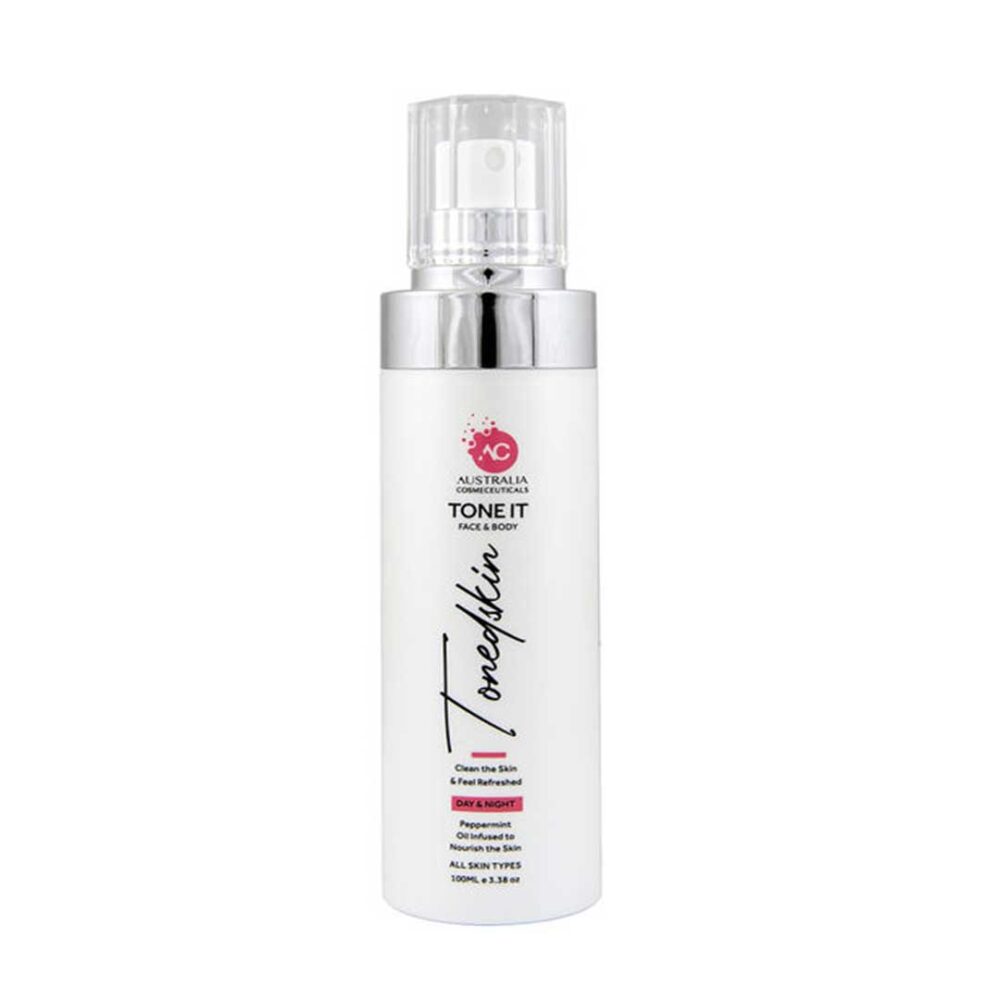
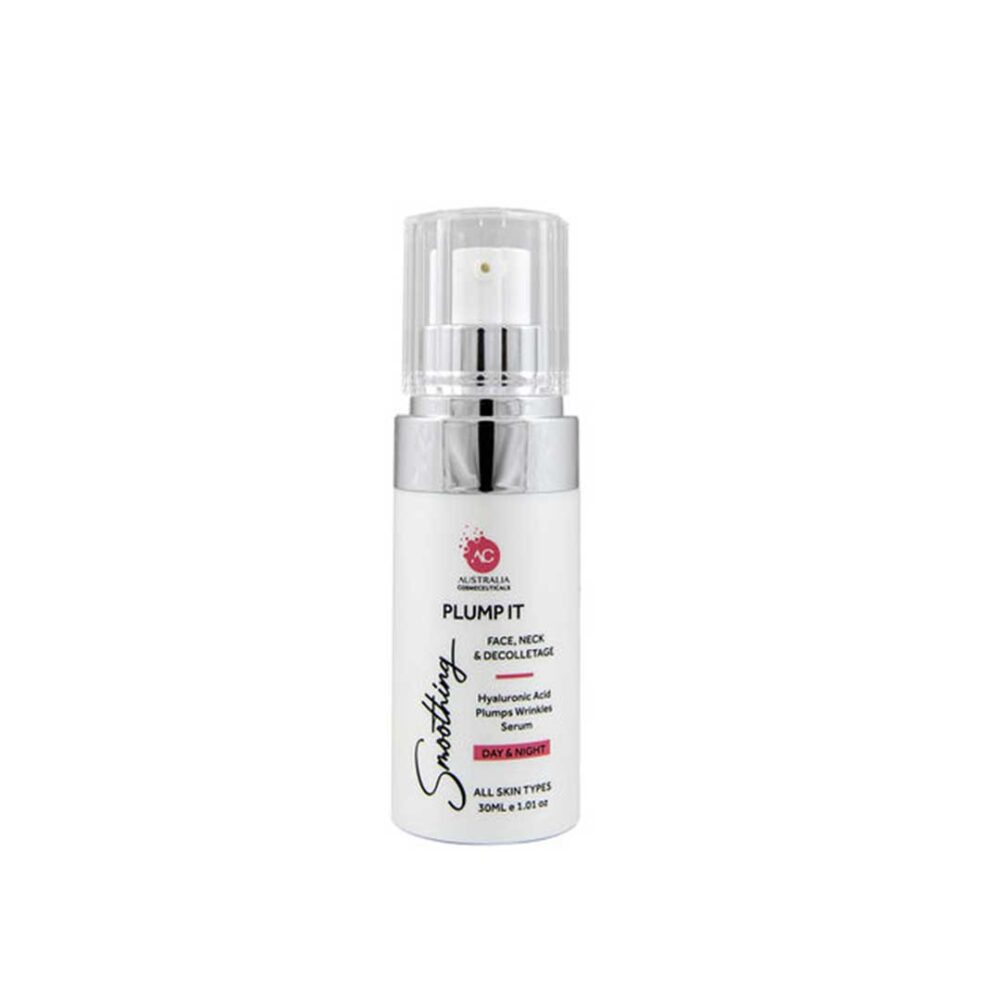
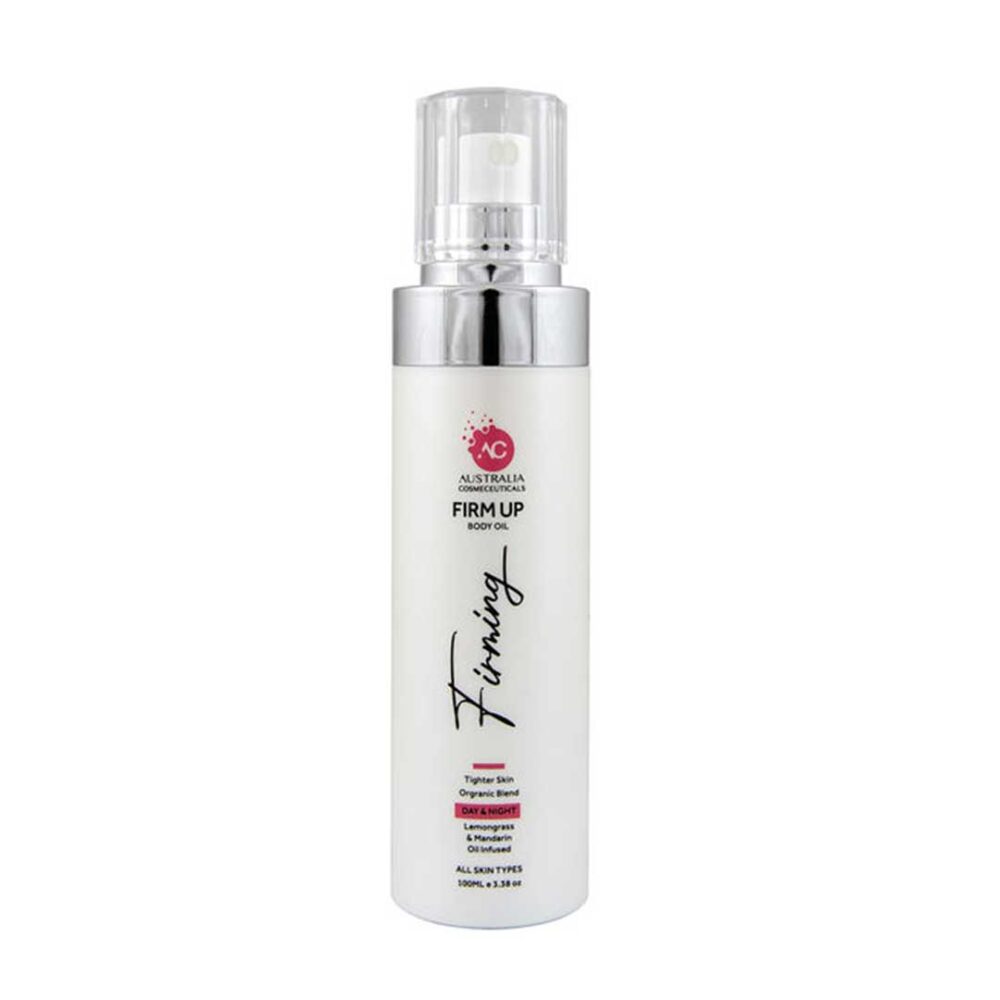
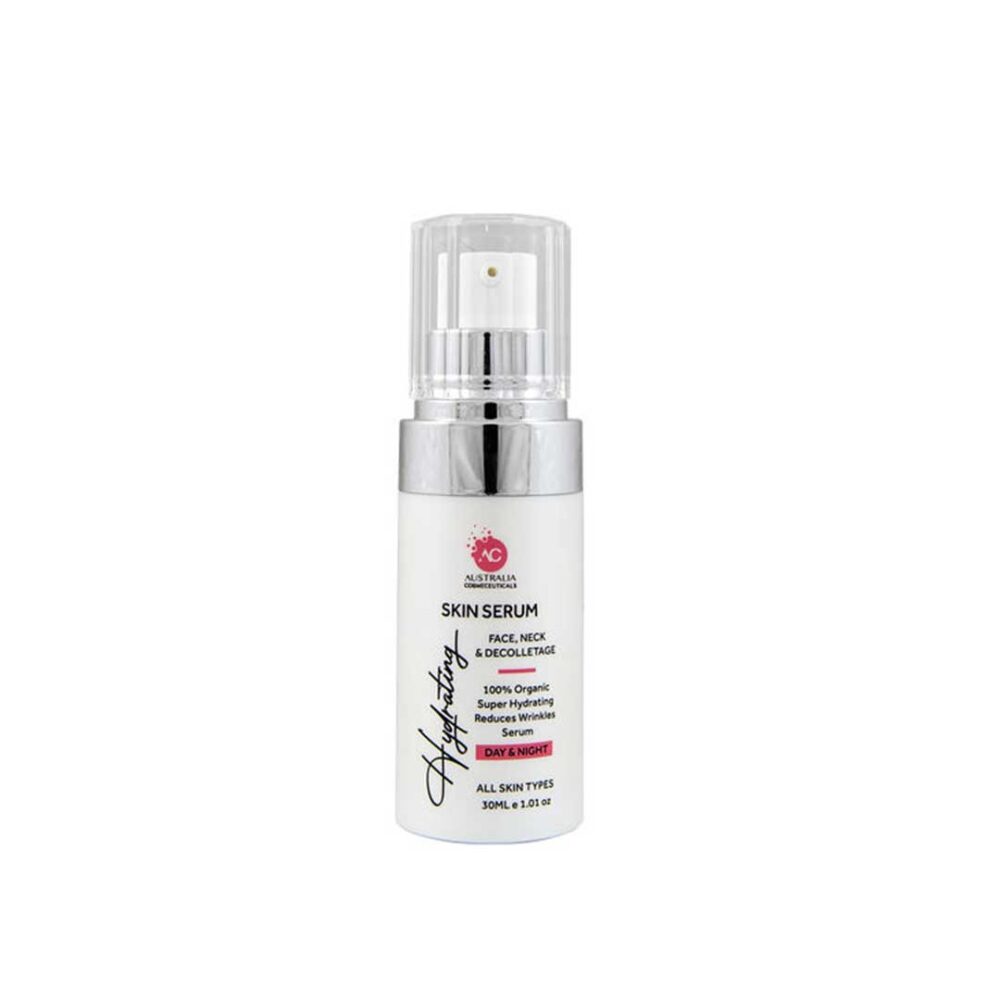
Australia HIFU products are certified organic.


You might also be interested in...

How to Choose a HIFU Practitioner: 10 Questions to Ask Before You Book
Before you book HIFU, ask these 10 questions about experience, training and machines, and learn the red flags that tell you to walk away.

Red Light Mask vs HIFU. Which Lifts Skin Better?
A red light mask and HIFU do two different jobs. A mask works at the skin’s surface for glow and evenness; HIFU reaches the deeper layers where firming and lifting are shaped.